
34
Participants
Blended Learning | Leadership Development | Cohort Design | IACET-Accredited
Participants
Capstone Completion
Program Duration
Per Person
L'Oréal's Environmental, Health, Safety & Sustainability (EHSS) team faced a capability gap that compliance training alone couldn't close. Their safety professionals were technically competent, but influencing organizational decision makers, navigating competing priorities, and leading culture change across a global enterprise required a different kind of development altogether.
The needs analysis revealed three specific gaps:
The ask wasn't a workshop. It was a transformation.

~34 international EHS&S professionals — safety managers, supervisors, and leaders operating within L'Oréal's Americas operations. These were experienced practitioners, not beginners.
As the contract Chief Learning Officer for Safety Mentor, LLC, I served as the instructional designer and learning strategist responsible for architecting the full program experience, from needs analysis to curriculum design to delivery infrastructure to assessment systems.
My contributions included:
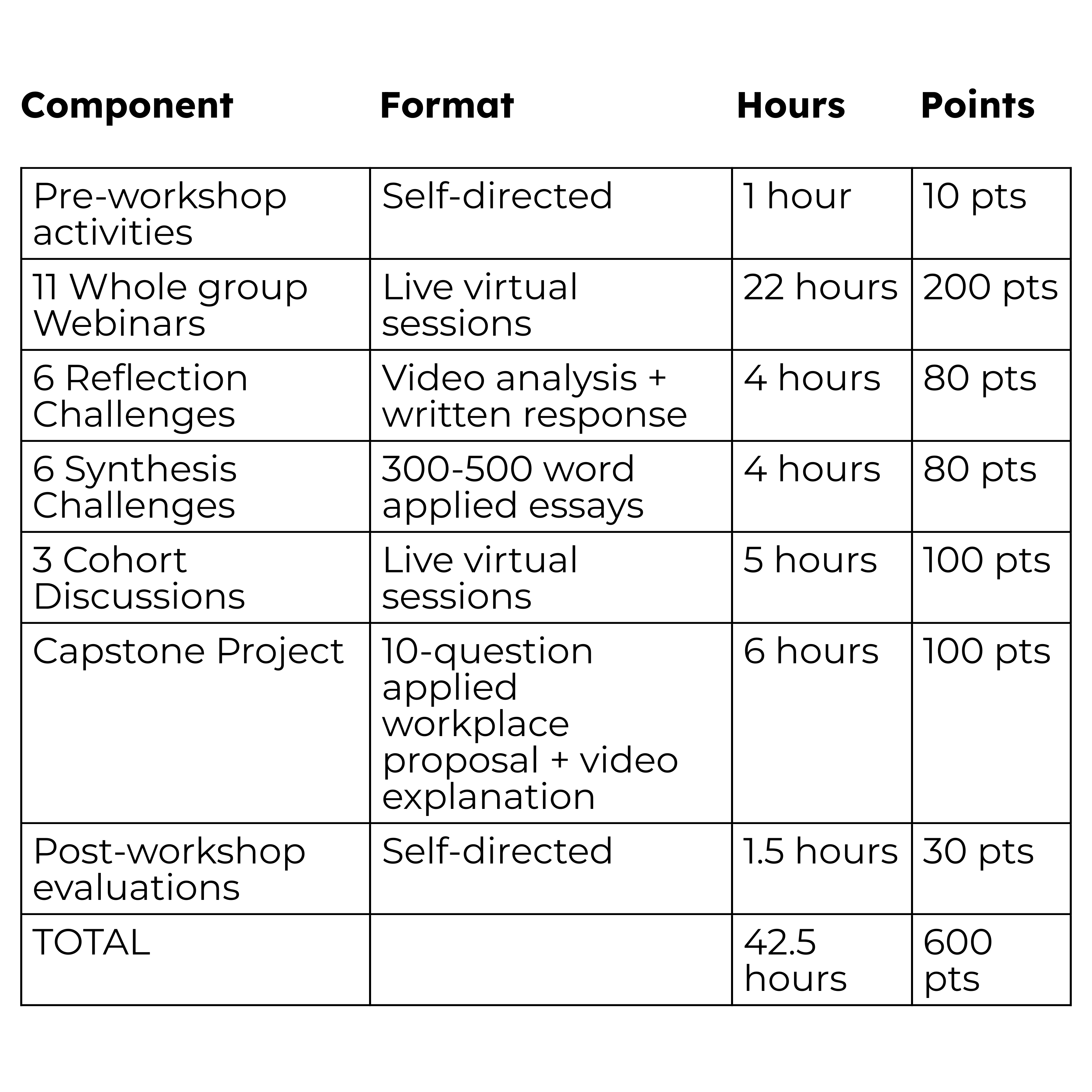
The ISL program was designed as a 42.5-hour, 9-month blended cohort experience, intentionally structured to move beyond event-based learning toward sustained behavior change.
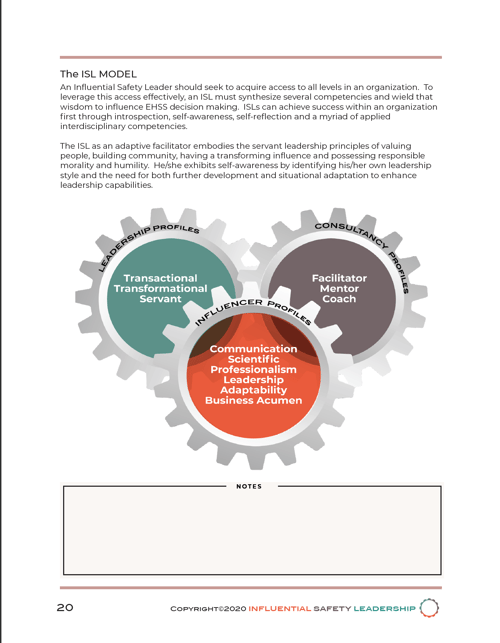
At the heart of the curriculum is the ISL¹² Model, a research-grounded framework built on three interlocking competency profiles:


The ISL program used a multi-modal, rubric-based assessment system designed for rigor and real-world transfer.
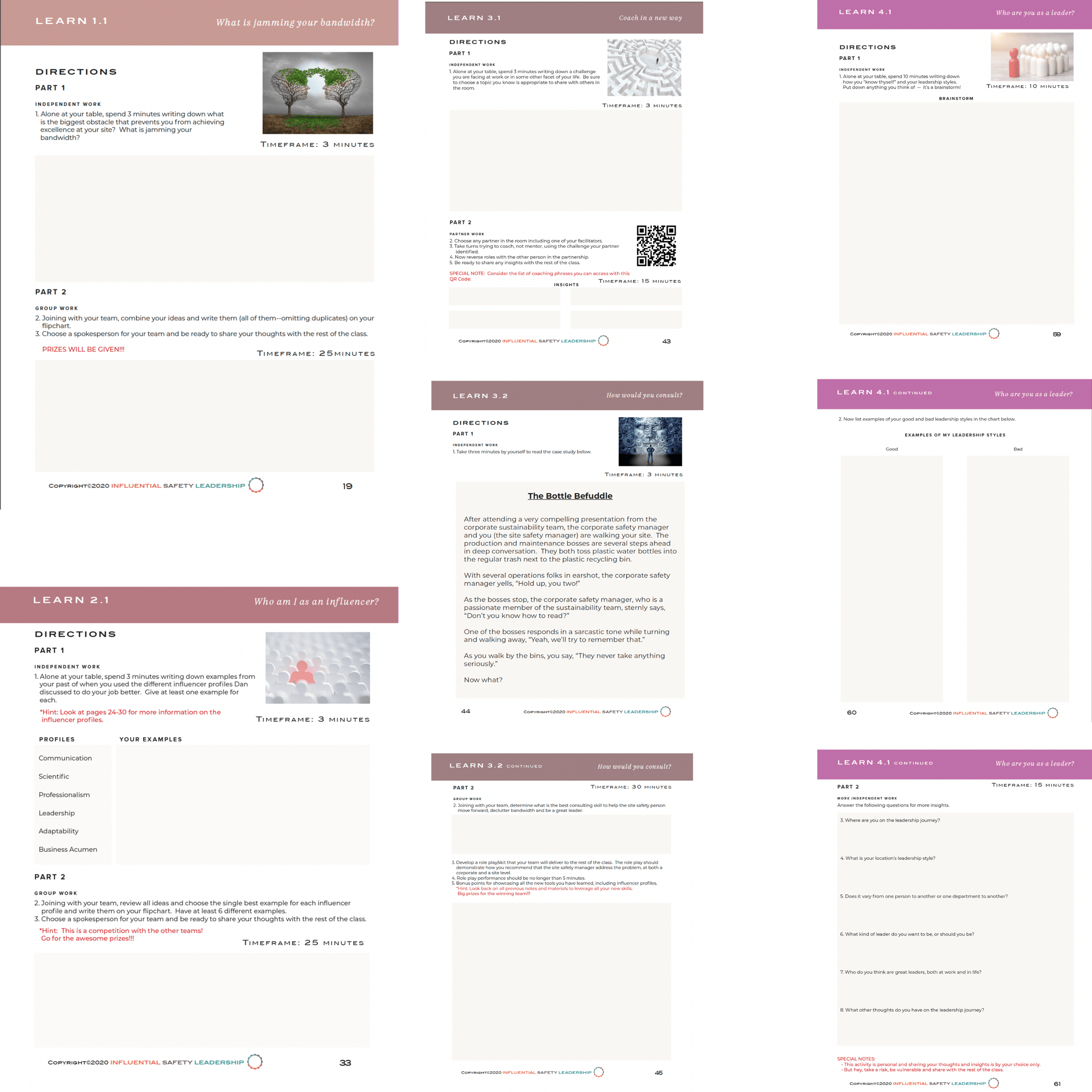
The workshop experience was built around active, cohort-based learning, not lecture. Each module included structured learning activities that moved from individual reflection to team dialogue to whole-group synthesis.
LEARN 1.1 – "What is jamming your bandwidth?" — Learners individually identify their biggest obstacle to safety excellence, then synthesize team themes for group debrief.
LEARN 2.1 – "Who am I as an influencer?" — Learners explore past experiences using influencer profiles (communication, scientific, professionalism, leadership, adaptability, and business acumen) and discuss with their cohort best applications for each profile.
LEARN 3.1 – "Coach in a New Way" — A guided practice opportunity to use coaching skills to help their colleagues generate solutions to their own problems
LEARN 3.2 – "The Bottle Befuddle" — A workplace scenario where learners role-play the most effective consultancy approach (facilitating vs. mentoring vs. coaching) to resolve a real leadership breakdown
LEARN 4.1 – "Who are you as a leader?" — A guided introspection on personal leadership style mapped against the leadership profiles (transactional, transformational, and servant)

The ISL program drew from a rich interdisciplinary body of knowledge, intentionally cited and applied throughout the curriculum.

Formative Assessment:
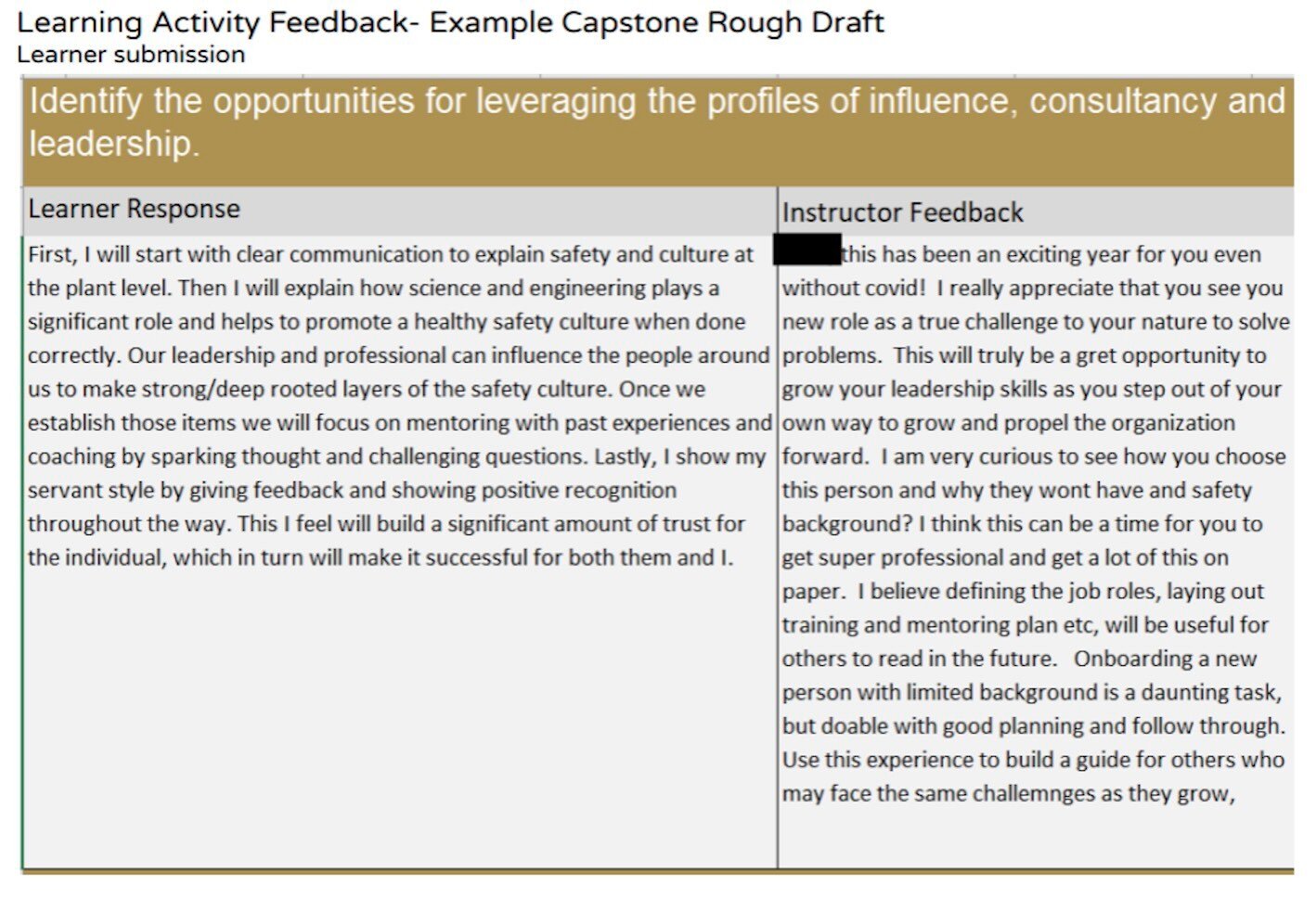
Learning Activity Feedback: Capstone rough drafts received individualized written instructor feedback before final submission.
Learners revised based on specific, growth-oriented coaching.
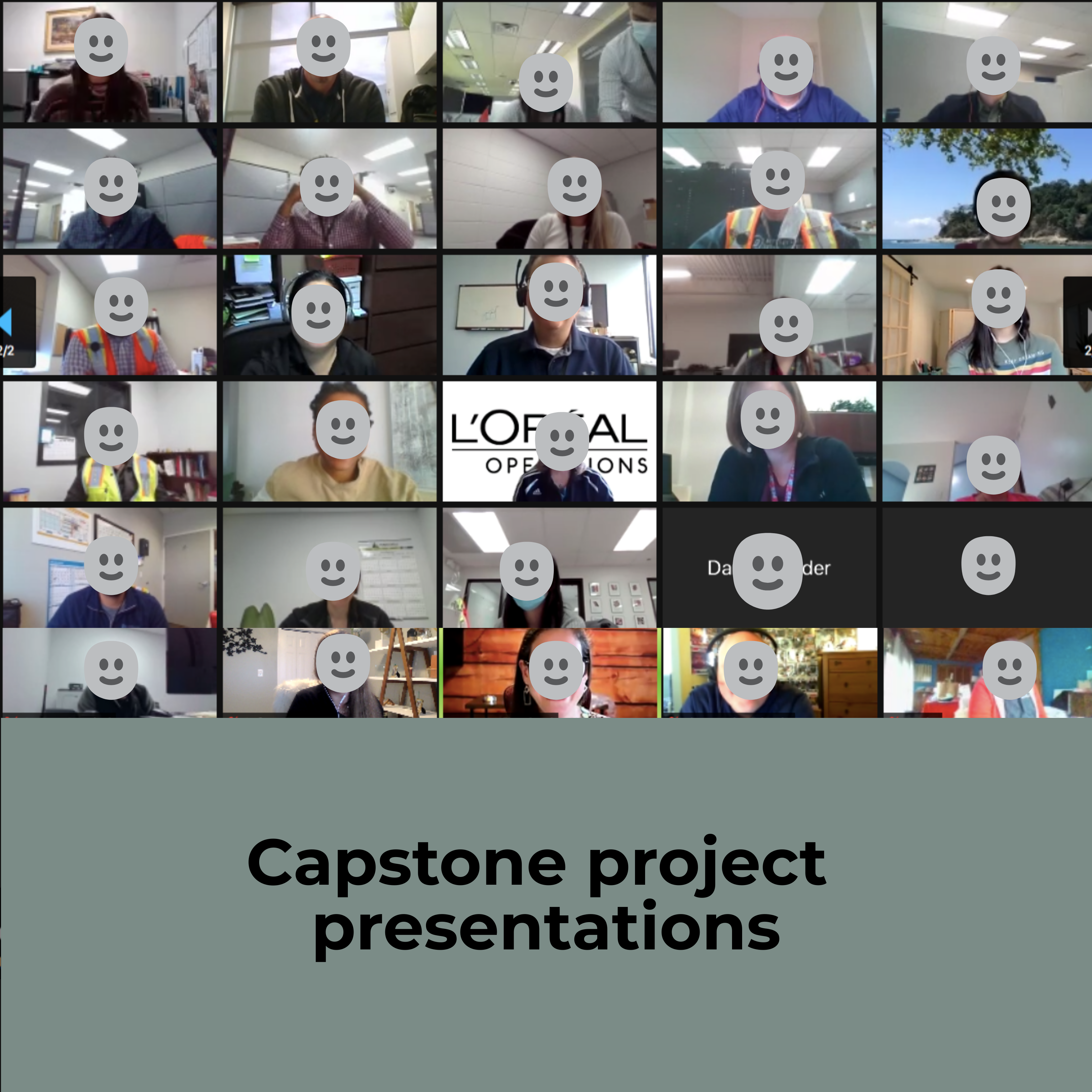
Synchronous Cohort Observation: During CE/T events, facilitators gauged learning through facial expressions, body language, attention, and live Q&A, adjusting facilitation in real time.
Summative Assessment:
Post-Assessment Scores: An average above 90%.
Capstone Project: A 10-question applied proposal requiring learners to diagnose an adaptive EHSS leadership challenge within their own organization, identify competing commitments, analyze ISL survey results, and develop a concrete impact plan.
Rubric-Based Grading: 600 points possible. Tied directly to 2020 L'Oréal performance reviews, making learning outcomes professionally consequential.
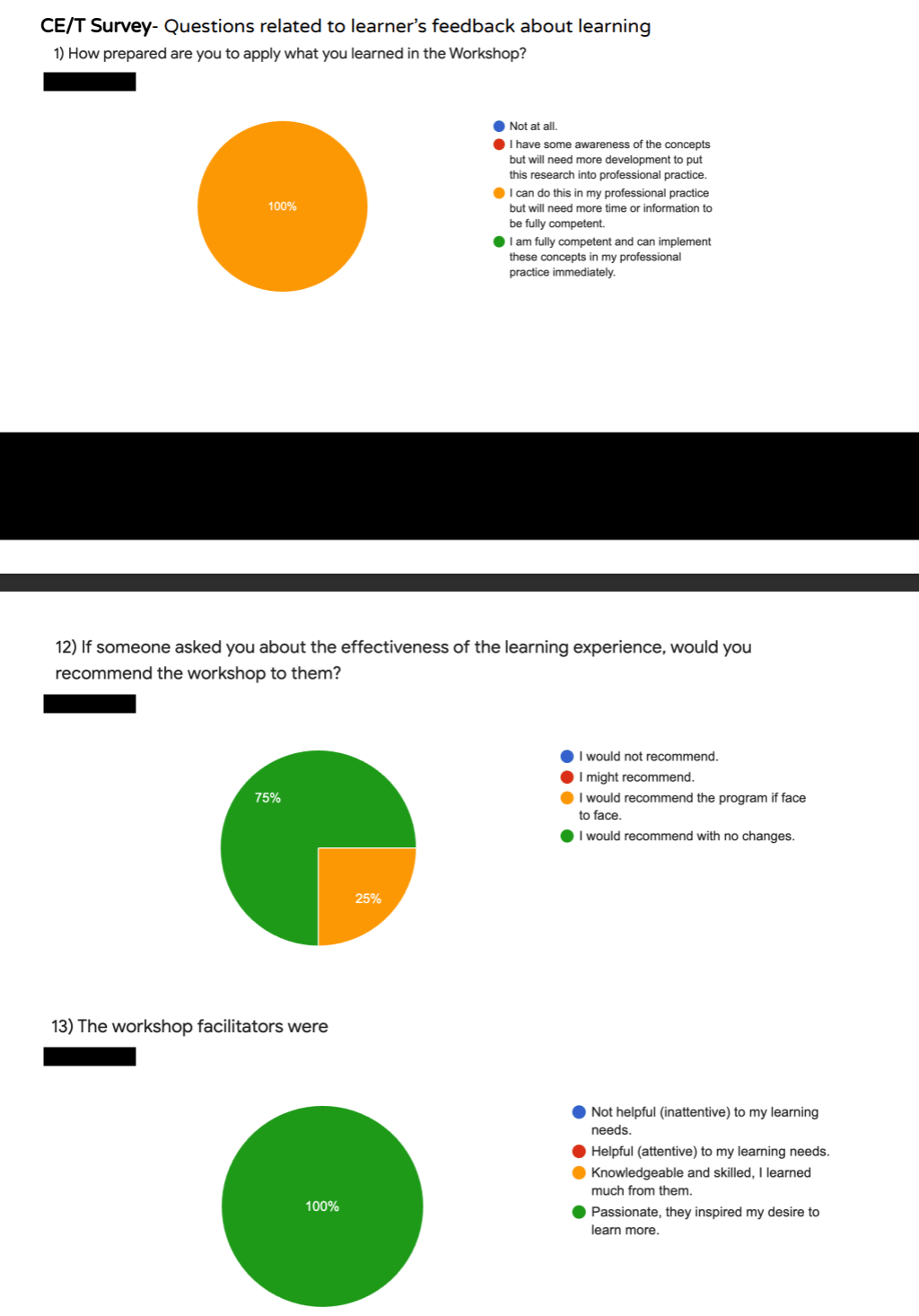
Post-Workshop Survey:
100% reported feeling prepared to apply workshop learning in professional practice
75% would recommend the program with no changes / 25% would recommend it face-to-face
100% rated facilitators as passionate and inspiring
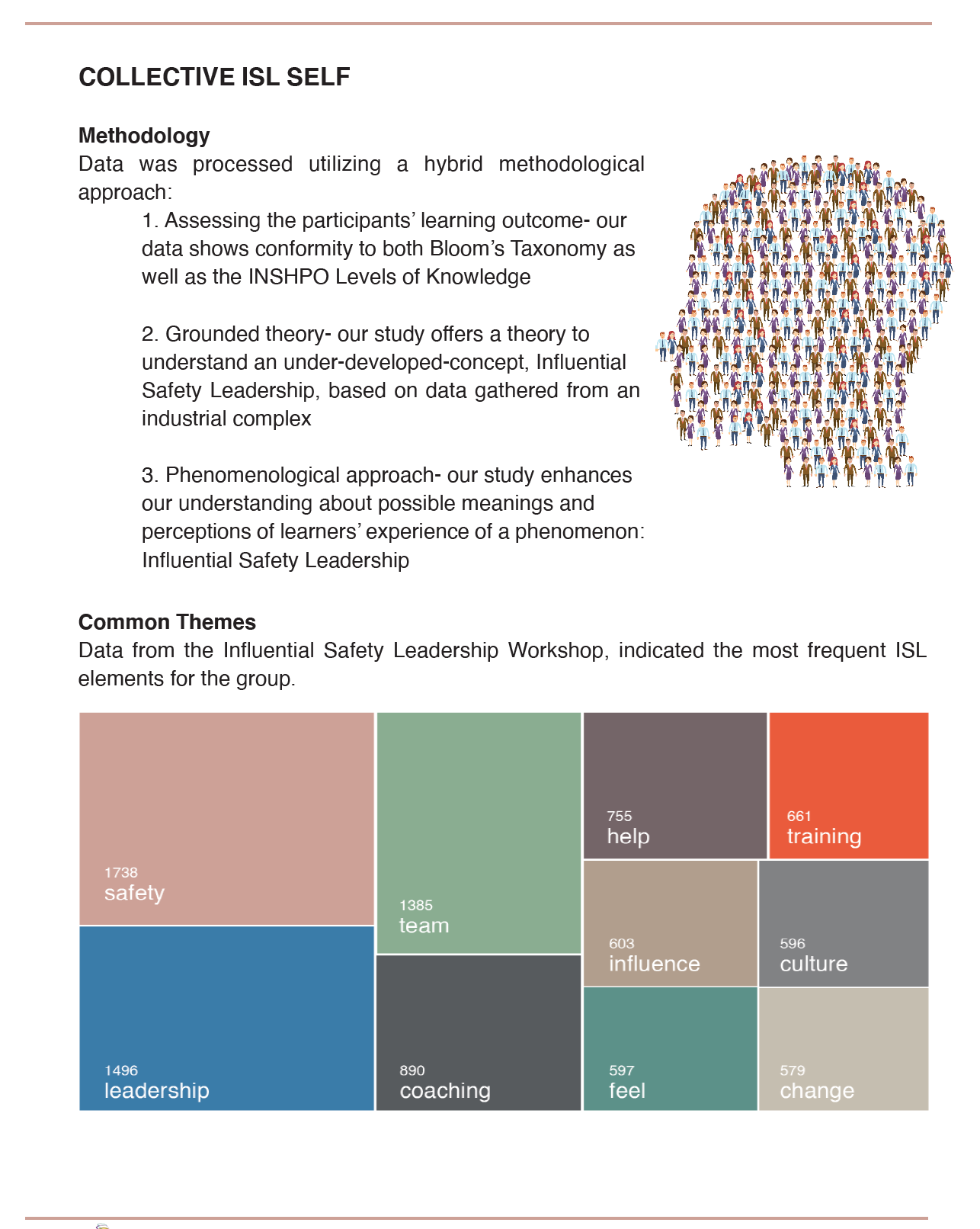
✓ 34 SH&E professionals completed the full program across the L'Oréal cohort
✓ 100% capstone completion — all 34 participants submitted applied workplace proposals
✓ 748 total training hours delivered across the cohort over 11 weeks
✓ 2 hours per week per person — sustained, manageable for working professionals
✓ IACET-accredited CEUs awarded, meeting international continuing education standards
✓ Performance integration — outcomes formally tied to 2020 L'Oréal performance reviews
✓ Extended reach — framework later deployed to 90+ total participants across additional cohorts
Cohort program - 42.5 hours - 6 modules - Capstone
Peer accountability groups - Supervisor deployments- Transfer-to-work reinforcement

As Year 1 capstones came in, a pattern emerged: participants were identifying real, adaptive EHSS leadership challenges in their organizations, competing commitments, cultural resistance, gaps between safety policy and operational reality. They had the framework. What they needed next was each other.
I analyzed the capstone submissions to identify recurring themes and used those insights to inform the architecture of Year 2. Rather than designing a sequel program in isolation, I let the learners' own applied work shape what came next. This is iterative instructional design in practice, using learner-generated evidence to close the loop between program design and organizational need.
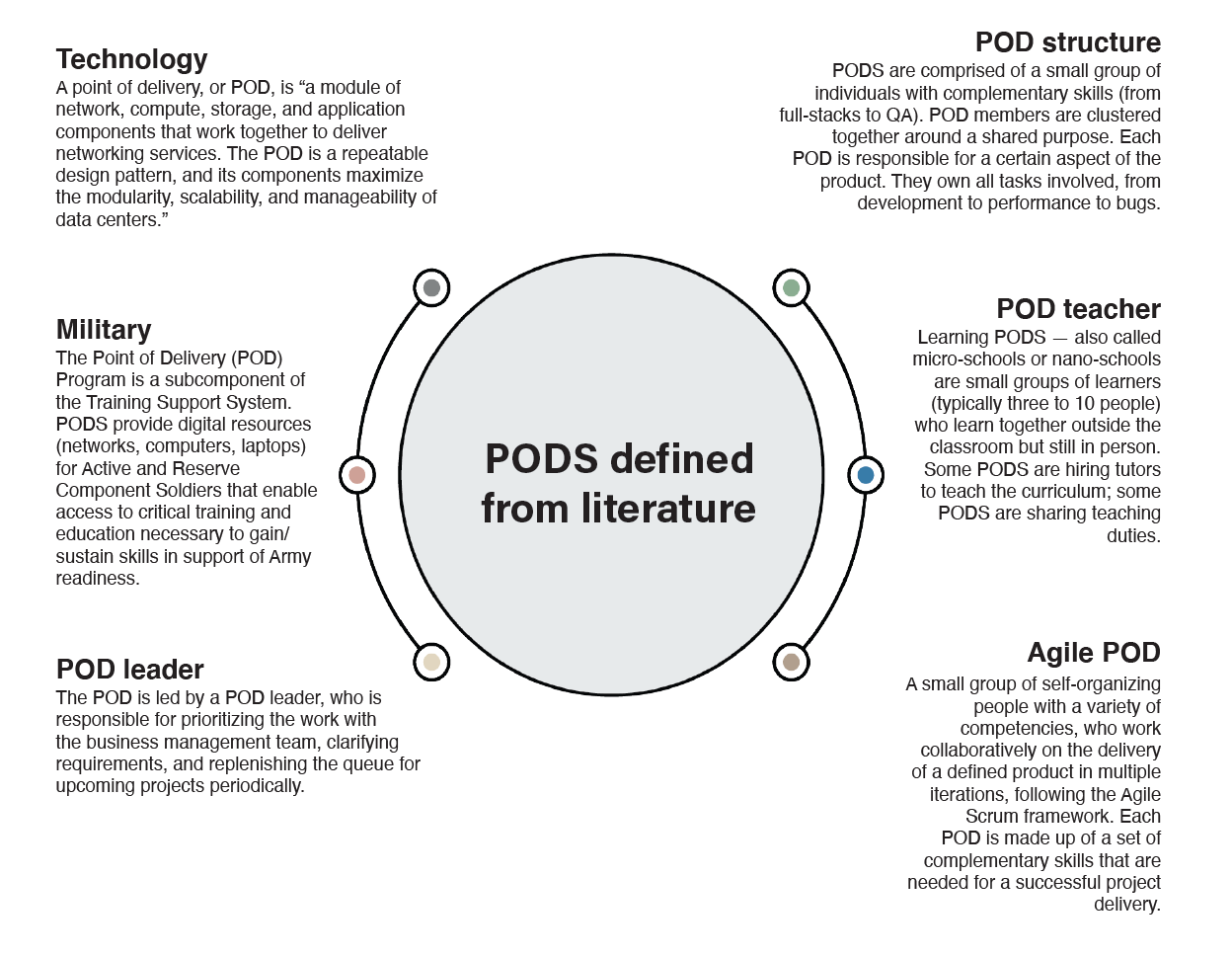
I named Year 2 "PODS" — deliberately chosen to evoke the idea of a learning ecosystem. Just as a pod in nature is a structure that protects growth and enables propagation, PODS was designed to sustain and spread what Year 1 had planted.
PODS functioned as structured peer accountability groups drawn from the Year 1 cohort. Small groups of ISL graduates were organized around shared capstone themes or organizational challenges, creating focused communities of practice with built-in accountability structures.
Key design features included:

In parallel with PODS, Year 2 extended the ISL framework beyond the original safety professional cohort. I supported the design and delivery of onsite and virtual deployments for supervisors and managers; the very decision makers the Year 1 participants had been learning to influence. This was a deliberate systems-level move. Developing those decision makers with a shared language and framework creates alignment from both directions; supervisors who understood the ISL framework were better positioned to recognize and support the competencies their safety teams were practicing.
The Year 1 → Year 2 evolution demonstrates something that doesn't show up in a single course screenshot: the ability to treat a learning program as a living system — one that generates its own evidence, informs its own next iteration, and expands its own reach.
This is the kind of thinking I bring to every learning initiative: What does transfer actually require? What structures need to exist after the learning event ends? And how do we design for the organization's long-term capability, not just the individual's short-term knowledge gain?
Developed in partnership with Safety Mentor, LLC for L'Oréal Operations Americas (2020–2021). Participant names and identifying information redacted.